



Home > Sustainability > Social > Advancing Diversity, Equity & Inclusion at Kajima Group > Voices from Our People > Kumiko Suda
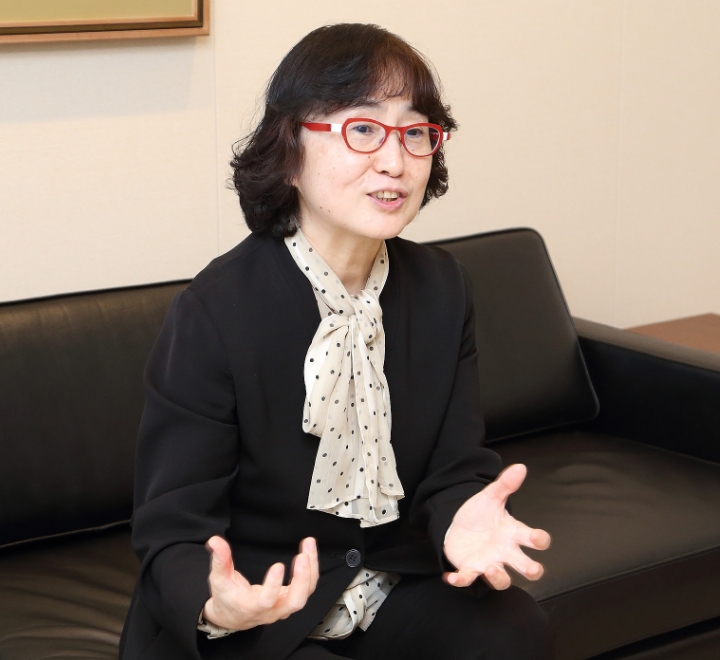
Kumiko Suda
Advisory General Manager (In Charge of Diversity Promotion)
Human Resources and Training Group
Planning Department
Civil Engineering Management Division
Joined Kajima Corporation, Kajima Technical Research Institute, 1982
Assigned to Civil Engineering Design Division, 2005
Assigned to Tokyo Civil Engineering Branch, 2007
Assigned to Civil Engineering Management Division, 2017
Since I was a child, I have dreamed of building something large. When I was in high school, I was deeply impressed by a photograph of an arch-type concrete dam. That experience led me to major in civil engineering at university, and I joined Kajima in 1982 Although I had hoped to work at construction sites, at that time there were no female civil engineers assigned to sites. I was therefore assigned to the Kajima Technical Research Institute, where I spent the next 23 years mainly engaged in research on concrete structures and materials. During that time, I obtained various qualifications related to concrete, passed the Professional Engineer (Construction) examination, and earned a Doctor of Engineering degree.
In 2005, I transferred to the Civil Engineering Design Division. Through my work as a researcher, I had built networks with clients and universities, and through PTA activities I developed the ability to explain complex technical topics in an easy-to-understand way. Those experiences led a project manager in charge of detailed design to say, “Come to my site,” and invite me onto the site team. From 2007 for about ten years, I worked at various construction sites as a deputy project manager and project manager.
The project manager and the site team accepted me as a matter of course. If anything, my bigger concern was, “What can I contribute on site?” It was a bridge construction project, and the project manager told me, “Take on whatever interests you.” I was given the chance to work on everything related to concrete—something I had researched for 23 years. My R&D experience had also taught me to think for myself and put ideas into practice, so I quickly found many ways I could contribute. That made the work very fulfilling.
About half of the nearby residents were women, but at a site staffed mainly by men, they sometimes found it difficult to approach us. Shortly after I arrived, one of the local residents said to me, “It’s easier to talk now that you’re here.” At that moment, I truly felt that women are needed at construction sites, and it made me very happy.
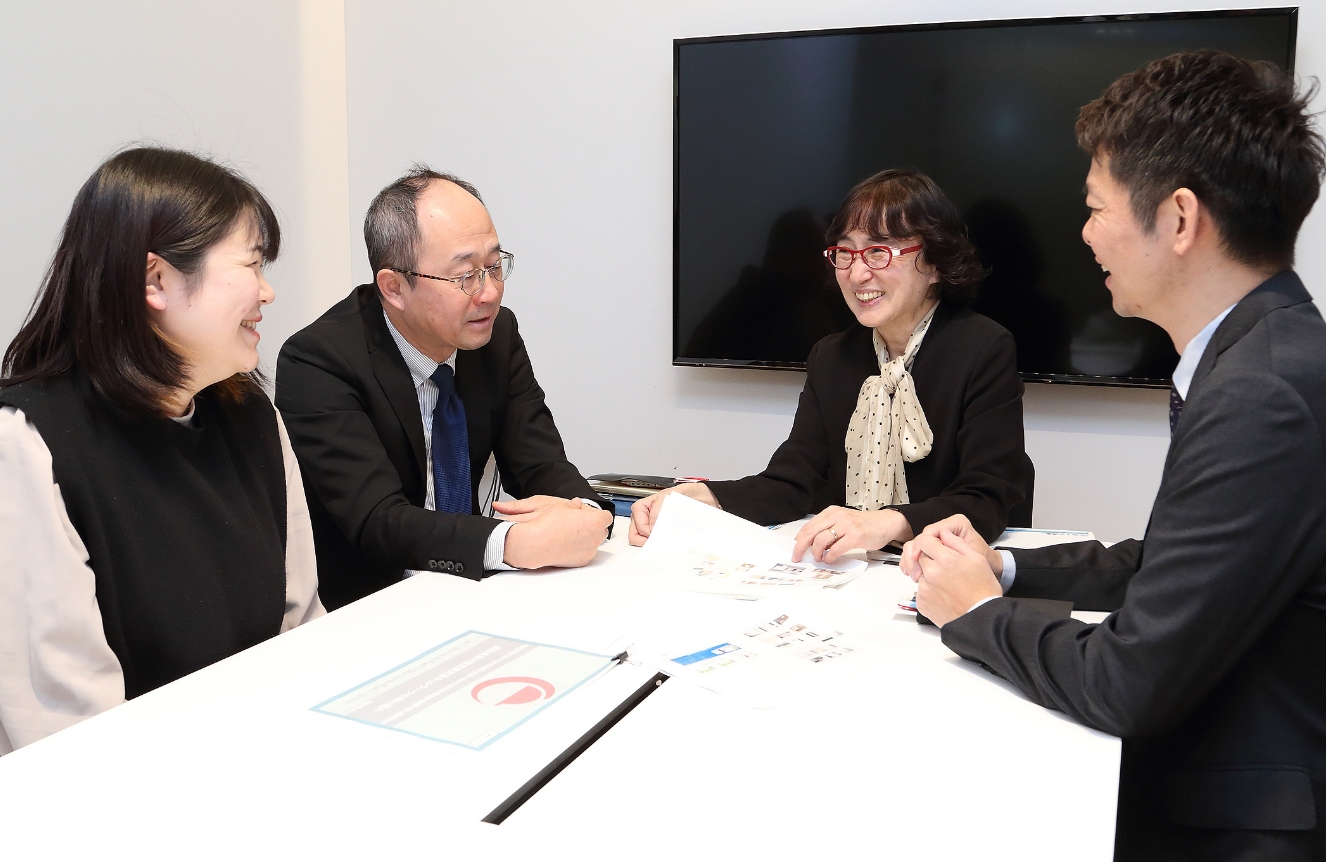
Right now, I work in the Planning Department on talent development. We’re aiming to create a workplace where both women and men can work comfortably, and we’re taking on a range of new initiatives to get there.
One of our key initiatives is the Mentor–Mentee Program. Under this program, a senior employee from a different department—rather than the mentee’s direct supervisor—acts as a mentor and supports the growth of a younger employee (the mentee). We started with a pilot in 2016 limited to female engineers, refined the design through trial and error, and since 2020 we have expanded it to civil engineers in their first to thirteenth years with the company, regardless of gender. Since introducing the program, I feel the number of employees leaving due to mental health issues has decreased significantly. To strengthen and energize the program, we review detailed rules based on survey feedback from mentors and mentees, and we share information with HR staff at head office and branch offices—so that both mentors and mentees can feel their growth through the experience.
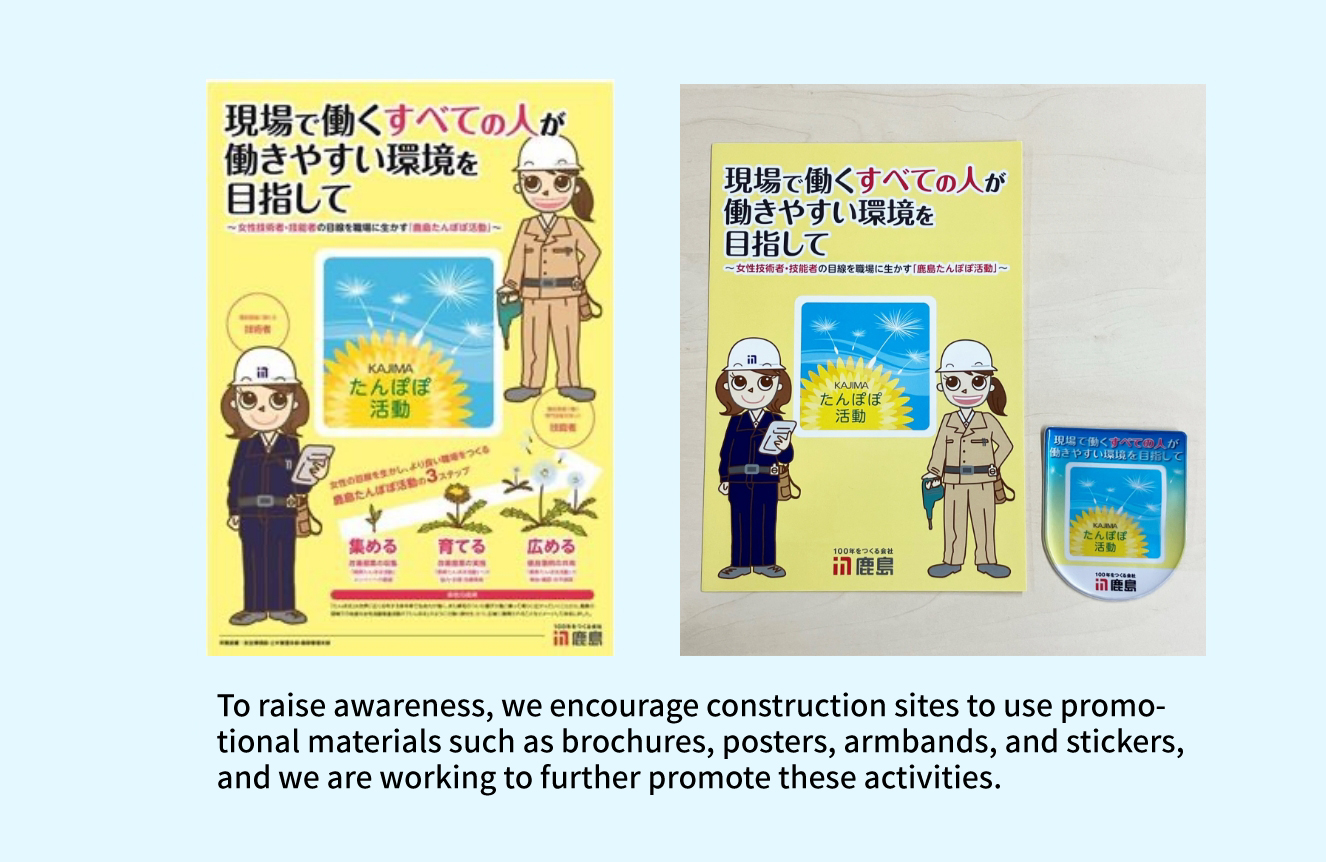
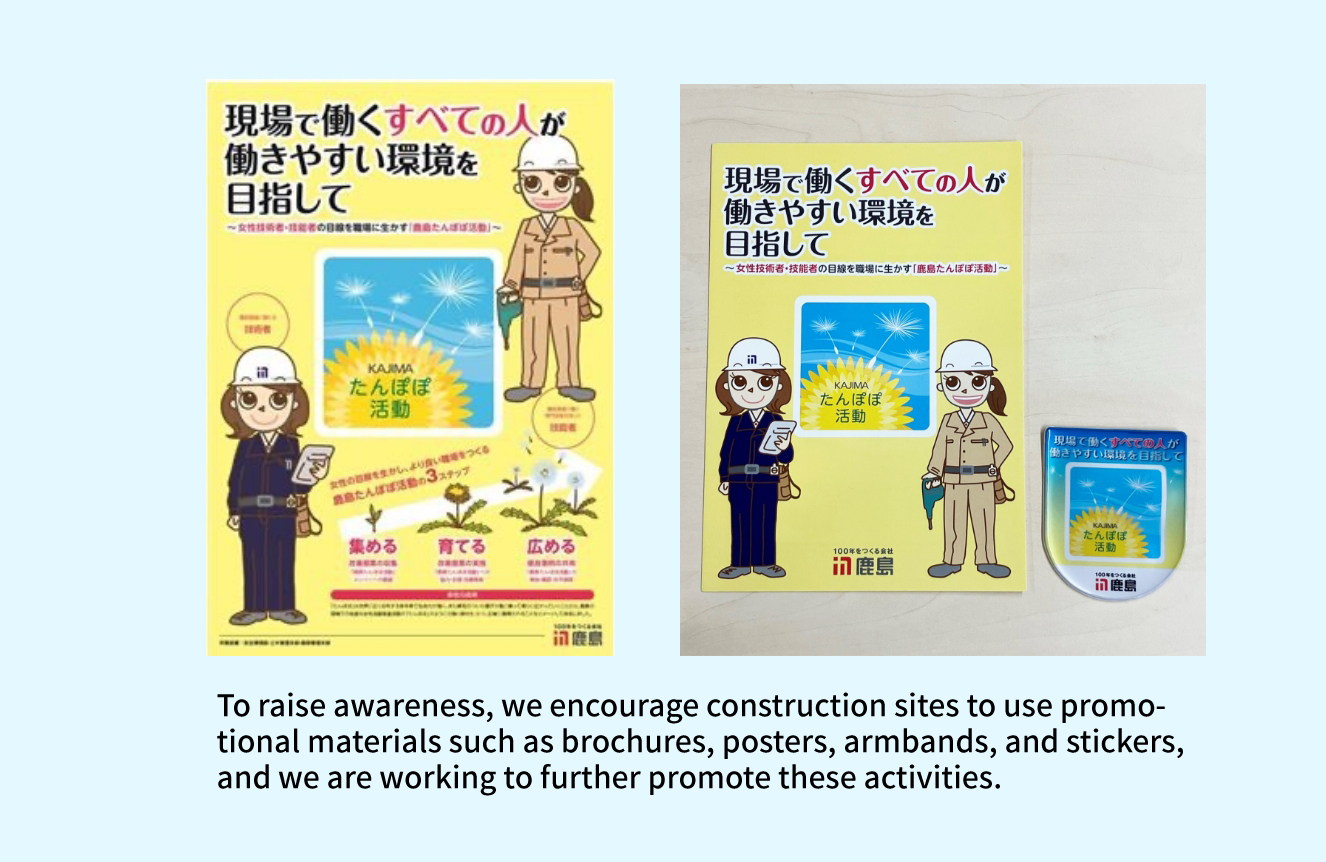
Since 2015, Kajima has been running an initiative called the “Kajima Dandelion Activities.” Female engineers and skilled workers from both Kajima and our partner companies take the lead in improving the working environment at construction sites. Over time, we’ve built up best practices—such as installing “powder rooms” that include women-only restrooms and changing areas, and improving work uniforms. Working with the Human Resources Department, we’ve also created training videos on women’s health and provided programs to support balancing work with childbirth and childcare.
People often misunderstand this as an activity “for women,” but it’s really about using women’s perspectives to improve the work environment. So even if things become more comfortable for women, it wouldn’t be right if they became less comfortable for men. Our goal is to create sites where everyone can work comfortably and with confidence—whether you’re a manager with female team members, an employee balancing childcare or caregiving or someone from a partner company.
What hasn’t changed is that Kajima respects people who think for themselves and put their ideas into practice. I’d describe it as a culture where “it’s okay for everyone to head in different directions.” While many companies expect everyone to move in the same direction, I feel Kajima’s people bring a wide range of opinions and perspectives. Over the many years I’ve worked here, I’ve come to believe we have a solid foundation that embraces diversity and accepts flexible ways of working.
Home > Sustainability > Social > Advancing Diversity, Equity & Inclusion at Kajima Group > Voices from Our People > Kumiko Suda